

Ducted Air Conditioning Services
Brisbane’s trusted ducted air conditioning experts since 1998 — licensed, insured, upfront pricing, and tailored solutions with premium brands.”
Ducted Air Conditioning Brisbane
Looking for a powerful, energy-efficient way to cool and heat your entire home? Ducted air conditioning offers quiet, whole-home comfort with minimal visual impact — ideal for Brisbane homes. If you’re comparing ducted vs split systems, ducted is the smart choice for larger spaces and seamless climate control.
Technicool specialises in new installations, repairs, servicing, and maintenance plans to keep your system running at its best. This guide covers everything from top brands and what to consider before you buy to average installation and running costs. You’ll also find expert tips on maximising efficiency, choosing the right system size, and avoiding common pitfalls.
What our clients say about us
EXCELLENTTrustindex verifies that the original source of the review is Google. This relates purely to Daniel from technicool. Great experience with him, knowledgeable, skilful and helpful. Been a while since ive seen someone in their industry actually know what they're doing Thanks Daniel H, highly recommended.Posted onTrustindex verifies that the original source of the review is Google. Technicool have given me great service over the years from installation of a big Daikin unit to service and maintenance. They organised a callout same day to get my air conditioning unit up and running again. Nothing was too much trouble. Karin was also amazing with her well refined organisational and communication skills. She went above my expectations in customer service. I would highly recommend Technicool for any air con needs. Well done Technicool. You get it right each time. Liz GianaPosted onTrustindex verifies that the original source of the review is Google. Kane did a thorough and professional job and carefully explained how to get the best out of our system. He is a credit to your company.Posted onTrustindex verifies that the original source of the review is Google. Kane was punctual and talked me through everything that he was doing and possible reasons why I was having issues with my split system. He diagnosed the issue and fixed it during the investigation. He was also fantastic with my dogs who were very interested in their new friend.Posted onTrustindex verifies that the original source of the review is Google. First class interaction with Technicool. Gave competitive quote, turned up at the appointed time, great team worked hard and fast to remove old system and install the new. Strongly recommend Technicool.Posted onTrustindex verifies that the original source of the review is Google. Kane provided an excellent service.He Cleaned the filters well and solved a tricky issue with noise. So I’m very happy and so grateful for his thorough workmanship. I can’t thank him enough! I would most certainly hire him again. 👏👏🎉🎉Posted onTrustindex verifies that the original source of the review is Google. Technician Kane was super friendly and fast and efficient. Recommene technicool for all my air-conditioner needs
Why Choose Technicool For Ducted Air Con in Brisbane?
Since 1998, Technicool Air Conditioning has been keeping Brisbane cool through scorching summers, and warm when the westerly winds bring winter’s chill. As a trusted, family-owned local business with full ARC Tick certification, here’s what sets us apart:
Nearly 30 Years of Experience
Established in 1998, Technicool has a reputation built on decades of service in the Brisbane region.
Local Knowledge You Can Trust
We understand Brisbane’s unique climate and tailor every solution to suit local conditions.
Fully Licensed & Insured
ARC Tick certified, fully insured, and compliant with all Australian standards, for your complete peace of mind.
Competitive, Fixed Pricing
Transparent, upfront quotes with no hidden costs — you’ll always know what to expect.
Free Expert Advice & Quotes
We believe in honest guidance and no-pressure service, so quotes and advice are always free.
Custom Solutions, Not One-Size-Fits-All
Every system is tailored to suit your space, lifestyle, and budget — for comfort that actually works.
Premium Brands & Quality Components
We only supply and install trusted, top-tier brands — no cheap shortcuts, ever.
Professional, Punctual & Clear Communication
We show up on time, keep you informed, and deliver service with professionalism and respect.
Licensed, Experienced Team with a Quality Guarantee
All work is carried out by qualified, experienced technicians, backed by our commitment to quality workmanship.
Technicool Tip: An ARC Tick business refers to a company that is authorised by the Australian Refrigeration Council (ARC) to handle refrigerants like those used in air conditioning and refrigeration systems.
What Is Ducted Air Conditioning?
Ducted air conditioning is a whole-home heating and cooling system that uses a central unit to deliver conditioned air through ceiling or floor ducts to multiple rooms or zones. These types of systems are designed to provide consistent comfort throughout your entire home, regardless of the weather.
Key benefits include:
- Whole-home climate control: Maintain a consistent temperature throughout the entire house using a single central system, eliminating hot or cold spots.
- Zoning flexibility: Cool or heat specific areas as needed. You can set different temperatures in different zones, like keeping living areas comfortable during the day and bedrooms cosy at night. This feature can also help reduce energy consumption.
- Discreet design: With vents integrated seamlessly into ceilings, walls, or floors, ducted air conditioning has minimal visual impact compared to bulky indoor units, preserving your home’s aesthetics.
- Energy-efficient for larger homes: Ducted systems are usually more efficient and cost-effective than running multiple split systems across separate rooms.
- Quiet operation: The central unit is installed out of sight, such as in the roof space or outside, allowing the system to run quietly without disrupting your daily activities.
- Increased property value: Having a ducted air conditioning system is often considered a premium feature that enhances resale appeal and overall property value.
- Smart features: Modern ducted systems come with Smart controls, allowing you to program your heating and cooling schedules via Smartphone apps or Smart home integrations. This level of control not only boosts convenience but also helps you save on energy bills by optimising system use according to your lifestyle.
Overall, ducted air conditioning offers a seamless, efficient, and aesthetically pleasing solution to keep your entire home comfortable all year round.

Ducted Air Conditioning: Key Things To Consider
When considering air conditioning options, it’s essential to weigh up the pros and cons. Ducted systems offer whole-home comfort, but there are some factors to keep in mind:
- Higher upfront costs: Installation is typically more complex and more expensive than split systems.
- Roof space: Requires an adequate ceiling cavity or roof space to accommodate ducts, so it may not be feasible in all homes.
- Zoning considerations: Poorly designed zoning can lead to uneven temperature distribution, unnecessary energy use, and higher running costs, reducing the overall efficiency of the system.
Technicool Tip: Ducted systems provide efficient, whole-home climate control with zoned airflow, making them ideal for Brisbane homes seeking consistent temperature management throughout multiple areas.
Brisbane Ducted Air Conditioning: Installation Costs
Several factors can influence the total installation cost, including the size of your home, the capacity of the system, and the complexity of the installation. Below is a breakdown of average installation costs in 2025, based on home size, system capacity, and installation requirements.
| Home Type / Size | Approx. System Capacity / Zones | Estimated Installed Cost Range (Supply + Labour) | Inclusions |
|---|---|---|---|
| Small home / Apartment (2-3 bedrooms) | ~7-10 kW | AUD $7,000 to $10,000 | Basic whole-home package, standard zones, modest ductwork. |
| Medium single-storey home (3-4 bedrooms) | ~10-14 kW | AUD $10,000 to $14,000 | Includes more ducting, multiple outlets, possibly 2-3 zones. |
| Large home (4+ bedrooms, possibly multi-storey) | ~14-16+ kW or more | AUD $14,000 to $17,000+ | More zones, longer duct runs, potentially premium brand, complex installation. |
| Broad Australian range (all sizes) | Varies | AUD $6,000 to $25,000+ | Depends heavily on house size, zones, brand, installation complexity. |
Key Factors That May Increase Installation Cost
While base pricing gives a general guide, several key factors can significantly impact the total cost of your ducted air conditioning installation. Understanding these variables can help you plan more accurately and avoid unexpected expenses.
- Size of the home and floor area.
- More zones/outlets, like adding more ducting, dampers, controls, etc.
- Roof space/installation complexity.
- Installation complexity, such as adding retrofitting to existing roofs, two‑storey houses, hard access, etc.
- Electrical upgrades, structural changes, extended duct runs, duct insulation, and upgraded materials.
- Premium brands, higher efficiency units, smart controls, and enhanced warranties.
Technicool Tip: For the best value, choose a ducted system that matches your home’s size and layout—oversized units cost more upfront and to run, while undersized systems struggle to maintain comfort efficiently.
Brisbane Ducted Air Conditioning: Running Costs
How much does air conditioning cost to run? It depends on the system — ducted air conditioning offers efficient, whole-home climate control, making it a popular choice for Brisbane homes. Understanding the variables will help you manage long-term energy expenses.
- Energy consumption: Energy consumption/costs depend on the system size and its output. It is measured in kilowatts (kW), and indicates how much electricity the unit uses. Larger units typically consume more energy.
- Usage patterns: The frequency and duration of use, combined with insulation, room size, and increasing air conditioning costs, can significantly impact energy bills.
- Climate/region: Hotter climates (tropical vs. temperate zones) typically require more cooling.
- Energy efficiency: Units with higher energy efficiency ratings generally consume less power.
- Energy rating label: Regulated by the Australian Government, the Energy Rating Label can be used to compare the energy efficiency and running costs of different appliances, including air conditioners.
- EER and SEER: EER refers to the Energy Efficiency Ratio, and SEER to the Seasonal Energy Efficiency Ratio. Both measure the efficiency with which an air conditioner uses electricity to provide cooling, but they differ in scope. In Australia, the Zoned Energy Rating Label incorporates SEER to give a clearer view of how an air conditioner performs in different climate zones.
- Zoned energy rating label: The Zoned Energy Rating Label provides a seasonal efficiency rating for three distinct climate zones across Australia and New Zealand (hot, average and cold), which helps consumers select a product that best suits their location. This label also incorporates EER and SEER — both measure the efficiency with which an air conditioner uses electricity to provide cooling, but they differ in scope.
- Electricity tariffs: These refer to the rates that households and businesses pay for electricity use in Australia. They are structured pricing plans set by energy retailers or regulated by governments (in some states), and they determine how much you are charged based on how and when you use electricity.
Technicool Tip: Always check the Zoned Energy Rating Label to pick a unit suited for Brisbane’s climate, and consider your electricity tariff to optimise usage patterns and keep energy bills manageable year-round.
How to Calculate Air Conditioning Running Costs in QLD
The cost of running a split or ducted system in Brisbane depends on several factors. Here’s a general guide only:
1. Determine Your Air Conditioner's Power Usage (kW)
Refer to the unit's specification label or manual for its power consumption in kilowatts (kW) or watts (W). For example, a typical split system might use 1.5 kW when running.
2. Estimate Your Daily Usage
Calculate the number of hours per day you run your AC.
3. Calculate Your Daily Energy Consumption (kWh)
The daily kWh = Power (kW) x hours used per day. For example, 1.5 kW × 4 hours = 6 kWh per day.
4. Find Your Electricity Cost per kWh
Check your electricity bill or your energy provider's website for the current rate per kilowatt-hour (kWh), including GST. In QLD, typical residential rates range from 28 to 35 cents per kWh. Use the exact rate you pay.
5. Calculate Daily Running Cost
The daily cost is calculated by multiplying the daily kWh usage by the electricity rate (in dollars per kWh). For example, 6 kWh × $0.32 = $1.92 per day.
6. Calculate Monthly or Seasonal Costs
For example, for summer cooling, 4 months x 30 days – 120 days. $1.92 × 120 = $230.40 for the summer season.
Here’s an example calculation that might help for a 2.5 kW split system running 4 hours a day in Queensland at $0.30/kWh electricity:
- Daily kWh = 2.5 × 4 = 10 kWh
- Daily cost = 10 × $0.30 = $3.00
- Summer (120 days) cost = 120 × $3.00 = $360
Air Conditioning Running Costs Calculator
The Australian Government’s Energy Rating Calculator is an official tool that enables consumers to estimate the energy efficiency and running costs of various appliances, including ducted air conditioners. By entering details like the appliance’s power rating, usage patterns, and local electricity tariffs, you can obtain an estimate of your appliance’s energy consumption and associated costs. This tool is handy for comparing different models and understanding their potential impact on energy bills.
Technicool Tip: Air conditioning expenses can vary across Australian states. Several key factors, including regional electricity prices, climate conditions, and typical household usage patterns, drive this variation.
Get Your Free Air Conditioning Estimate Today!
Get in touch with us to get your free air conditioning estimate today. Simply fill out the form below, and one of our team members will be in touch with you.
Choosing the Right Ducted AC in Brisbane
Not all ducted systems are the same — selecting the right setup is essential to ensure long-term efficiency, comfort, and cost savings. Brisbane’s climate, home size, layout, and lifestyle all influence which ducted air conditioning system will work best for you. Here are some key considerations:
- System capacity: It’s essential to match the kilowatt (kW) output of the system to the size and design of your home. An undersized unit won’t provide sufficient cooling or heating, while an oversized system wastes energy and can cause uneven temperatures and humidity issues.
- Zoning & sensors: Modern ducted systems often feature smart zoning capabilities, allowing you to control different areas of your home independently. This flexibility can cut running costs by 20–30% by only conditioning the spaces you’re using at any given time.
- Energy efficiency: Prioritise systems with inverter technology and high-star energy ratings. These features ensure your unit adjusts its power use based on demand, reducing energy consumption and lowering your bills.
- Noise levels: Consider both the indoor fan noise and the outdoor compressor sound levels, especially if your unit will be near bedrooms or living areas. Quieter units improve overall home comfort.
- Smart control options: Look for brands and systems that offer timers, Wi-Fi connectivity, and voice assistants like Alexa or Google Home. These smart controls provide convenience and enable you to optimise usage for even greater savings.
Technicool Tip: Choosing the right capacity and zoning setup from the start can save you thousands of dollars in running costs and costly upgrades later. Don’t just go big — go Smart.
Brisbane Ducted Air Con: Brand Snapshot
Choosing the right ducted air conditioning brand impacts performance, reliability, and cost. Comparing the biggest brands and most energy-efficient air conditioners helps you make an informed decision tailored to your home and budget.
| Brand | Known For |
|---|---|
| Daikin | Automatic airflow adjustment, automatic fan speed selection, and Night Quiet Mode which reduces outdoor noise for better sleep. Daikin also offers a retrofit system for existing homes, letting you upgrade while keeping existing pipework and wiring. |
| Mitsubishi Electric | Great for multi-room setups, supports zoning when needed, and allows flexible placement of intake and outlet vents to optimise airflow. |
| Fujitsu | Multiple static pressure modes, can be ceiling or floor mounted. All models use DC fan motors, DC rotary compressors, and fully programmable systems. |
| Panasonic | Famous for ECONAVI and nanoe X air purification. Intelligent sensors adjust energy use based on occupancy and sunlight. Also supports Wi-Fi control and smart diagnostics. |
| Samsung | Smart Inverter tech, advanced airflow control, and full Wi-Fi integration through SmartThings. Quiet performance with a modern, minimal design. |
| ActronAir | Built for Australian conditions. ESP Platinum and Ultra ranges include advanced zoning, Tru-Inverter tech, and fast cooling with reduced energy use. Australian-made with customisable airflow and control options. |
Technicool Tip: Bigger isn’t always better — oversized systems can short-cycle and waste energy. Ask our technicians for the right capacity for your home’s design.
How We Make Ducted Air Con Installation Easy
Installing ducted air conditioning is relatively complex, but Technicool makes the entire process straightforward and hassle-free:
Free Consultation & Quote
We start by assessing your home’s unique layout, size, and cooling needs. We’ll discuss the best brands and system options available, explaining everything in clear, simple terms so you can make an informed decision without confusion or pressure.
Custom Ducted Design
Our experts will tailor the zoning, duct layout, and vent placement specifically for your home. This will ensure balanced airflow throughout every room, maximising comfort while maintaining energy efficiency.
Professional Installation
Our licensed refrigeration and electrical technicians will handle every step of the installation with precision and care, ensuring your new system runs perfectly from day one.
Aftercare & Maintenance
Technicool offers ongoing servicing and maintenance plans designed to keep your system running at peak efficiency, extend its lifespan, and minimise repair costs over time.
Technicool Tip: Before quoting, it’s essential to have your ceiling or roof cavity inspected. Easy access can significantly reduce labour costs and streamline the installation process, saving you both time and money.
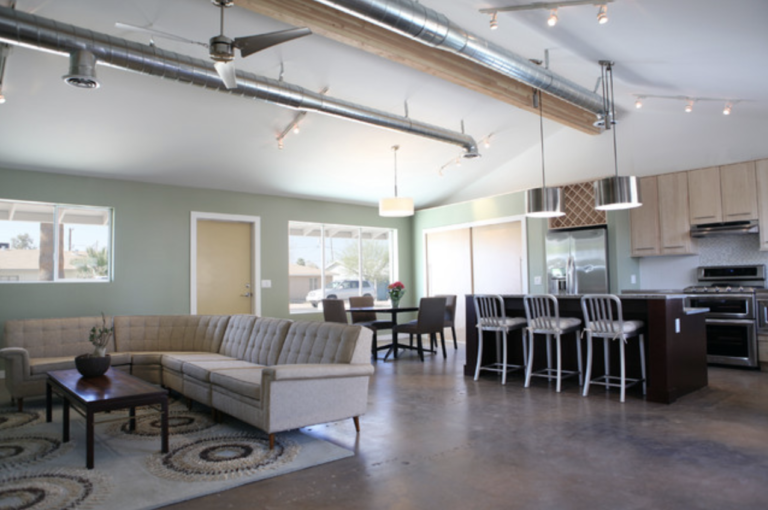
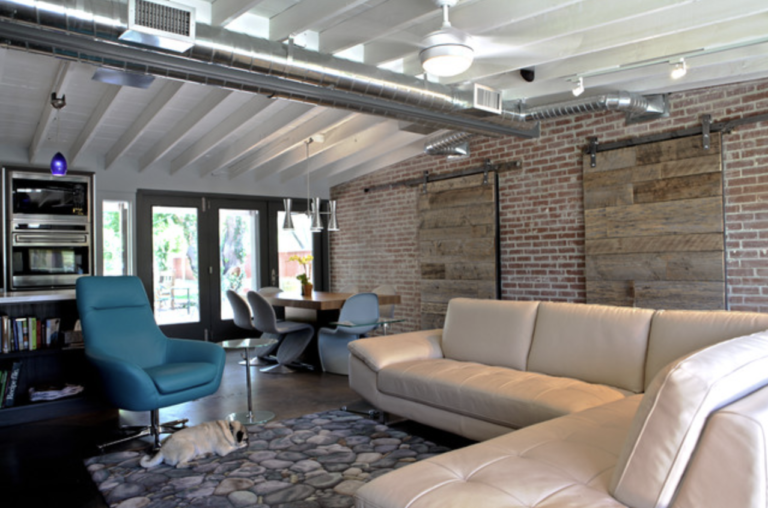
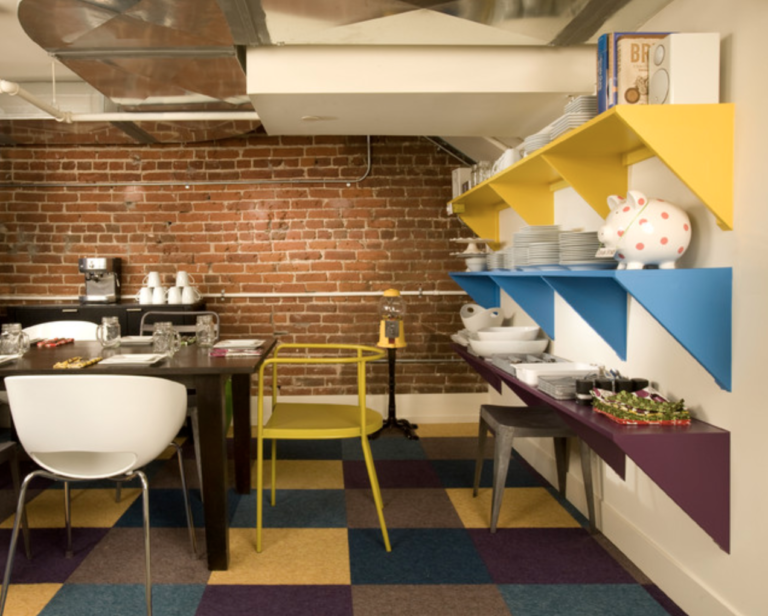
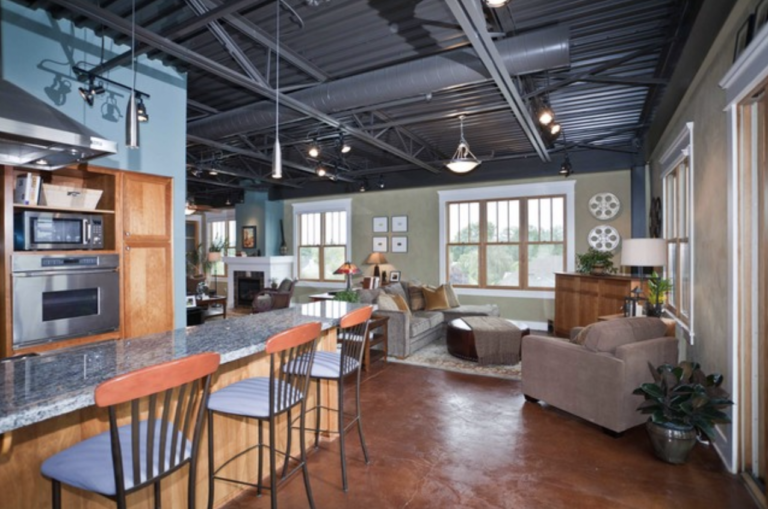
Projects Gallery
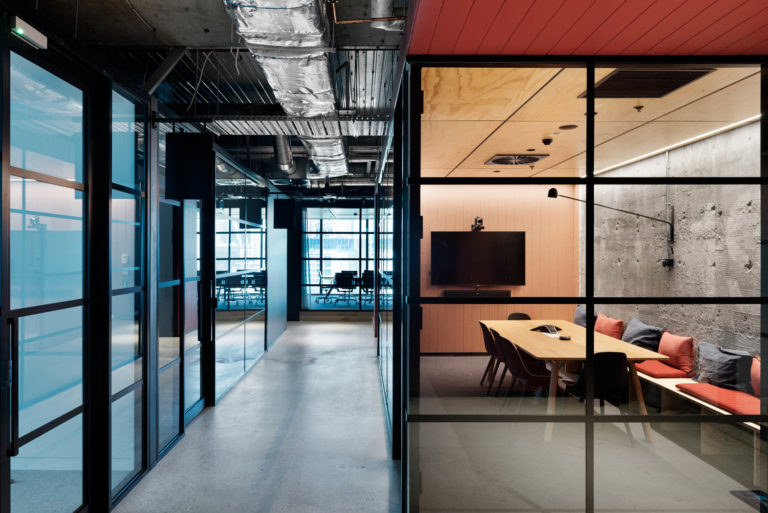

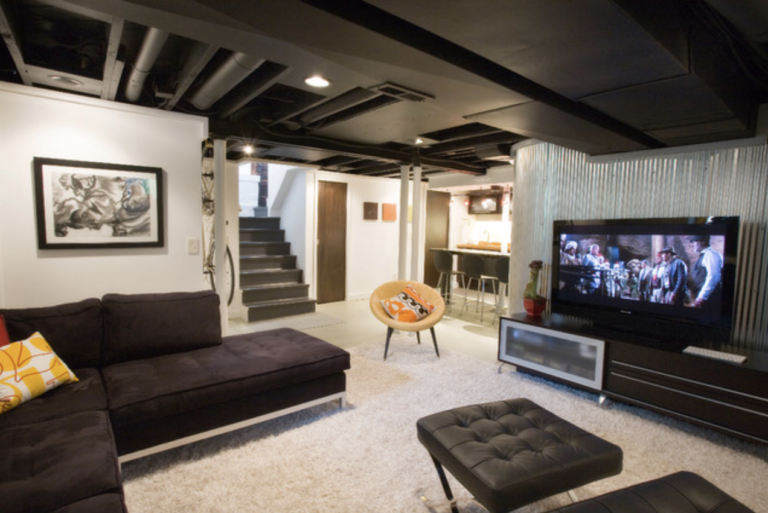
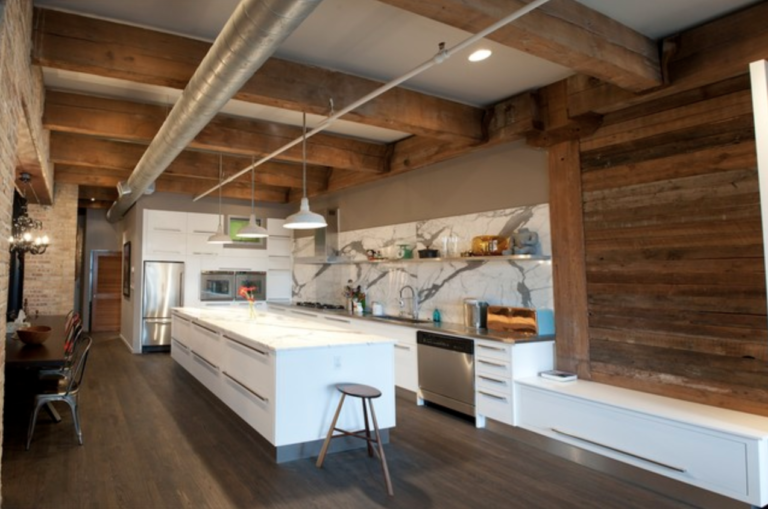
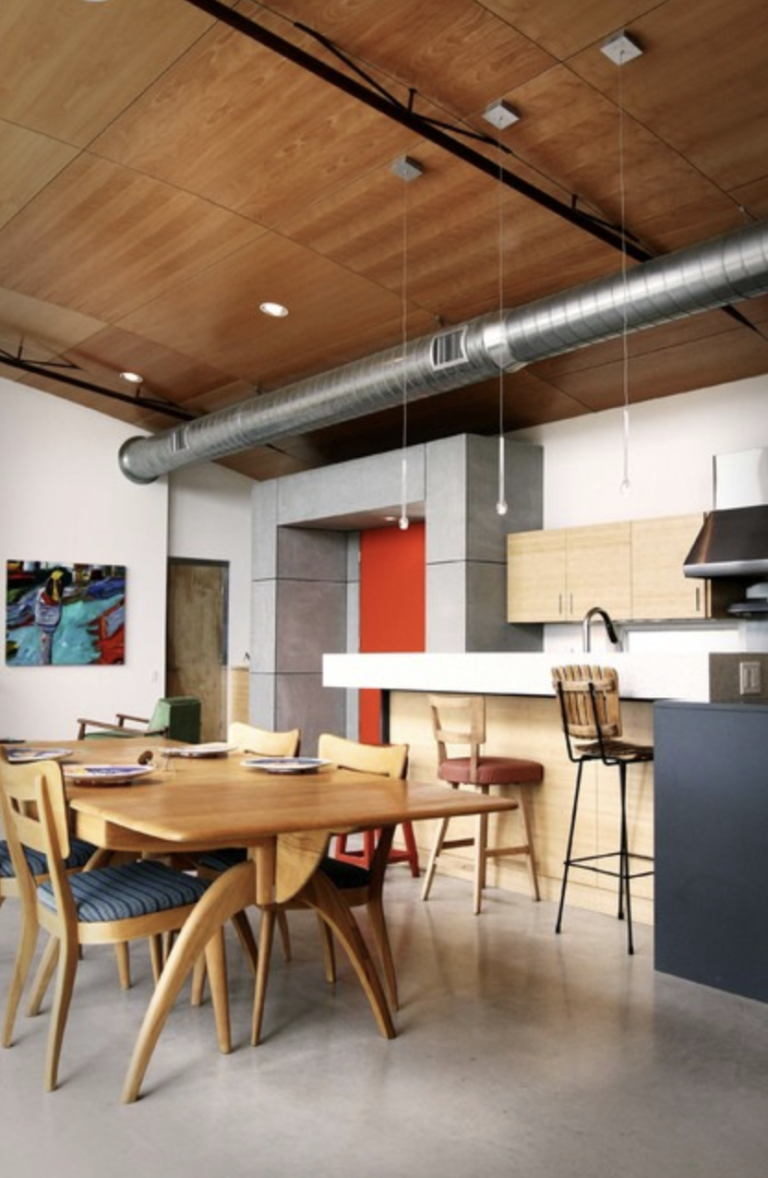
FAQs - Ducted Aircon Brisbane
1. How much does ducted air conditioning cost in Brisbane?
The average installed cost in Brisbane typically falls between $10,000 and $15,000 for a mid-sized home with four to six zones. Larger homes or complex installs (steep roofs, multiple levels, etc.) may exceed $20,000. These figures usually include system supply, ductwork, zoning, and labour.
2. What factors influence the cost of ducted air conditioning?
Costs vary depending on several factors, including the home’s size and layout, the number of zones and outlets, roof/ceiling cavity access and complexity, brand, efficiency, and inverter technology, as well as electrical upgrades (such as switchboards and wiring), duct length, insulation, and extras like smart controls.
3. What size ducted system do I need for my home?
Size depends on your house’s floor area, insulation, glazing, orientation, and layout. As a rough guide, a three to four-bedroom home needs a 10 to 12 kW system. Larger homes may require 15 kW+. Oversizing is not recommended — systems that are too large will short-cycle and waste energy.
4. How long does installation take?
Most installations in Brisbane take two to five days, depending on system size, roof access, duct layout, and complexity. Single-storey homes with good access may be completed faster.
5. Is ducted air conditioning worth it compared to split systems?
Yes — if you want whole-home comfort, zoning control, and a clean aesthetic (no wall units). Ducted systems distribute air evenly, hide most components, and can be more energy-efficient in medium-to-large homes. But they come at a higher upfront cost and require roof/ceiling space.
6. How often should I service a ducted air conditioning system?
We recommend a professional service every 12 months, including duct cleaning and filter replacement. This maintains efficiency, prolongs lifespan, and prevents costly breakdowns.
7. Can I add zones later after installation?
In many modern systems, yes — as long as the controller and duct network allow it. Some systems are designed with future expansion in mind, allowing you to add dampers or zones later without replacing the entire system.
8. What warranties should I expect on a ducted system?
Look for a compressor warranty that lasts at least five to ten years from the manufacturer, along with a workmanship warranty from the installer. Ensure your installer is ARC tick-registered and licensed (like Technicool is) — that helps secure the validity of warranty claims.
Explore More Tips & Guides From Our Team


Ready for Year-Round Comfort?
Get a free quote from Brisbane’s ducted air conditioning experts today.